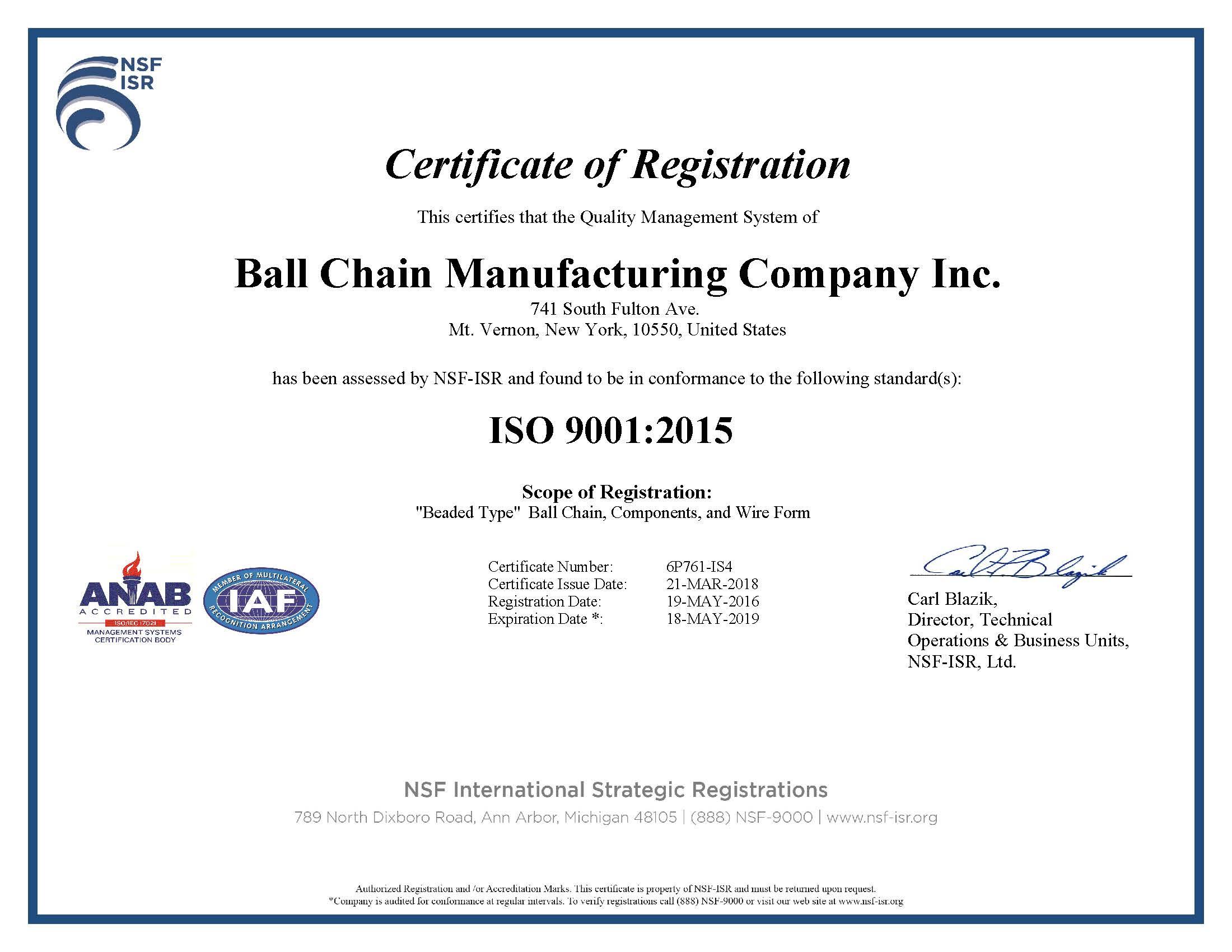
Navigating the complexities of international trade requires meticulous documentation, and using a standardized Certificate Of Manufacture Template is a critical step for ensuring smooth transactions. This official document, issued by the producer of goods, serves as a formal declaration that the items in a shipment have been manufactured by them, at a specific location, and are ready for export. It acts as a vital link in the supply chain, providing assurance to importers, customs authorities, and financial institutions about the origin and authenticity of the products.
Without a properly completed Certificate of Manufacture, shipments can face significant delays at customs, leading to costly storage fees, strained buyer relationships, and potential contractual penalties. It is more than just a piece of paper; it is a legally binding statement that supports the information listed on other key shipping documents, such as the commercial invoice and bill of lading. For many countries and specific product categories—like pharmaceuticals, electronics, or food products—this certificate is not optional but a mandatory requirement for entry.

Understanding the purpose and structure of this document is therefore essential for any business involved in exporting goods. Utilizing a template simplifies the process, reducing the risk of human error and ensuring that all necessary information is included in a clear and universally accepted format. This article will serve as a comprehensive guide, breaking down what a Certificate of Manufacture is, its essential components, its importance in global commerce, and how to use a template effectively to avoid common pitfalls.

What is a Certificate of Manufacture?
A Certificate of Manufacture (CoM), sometimes called a Manufacturer's Certificate or Manufacturer's Declaration, is a formal document that attests to the specific details of a product's production. It is issued and signed by an authorized representative of the manufacturing company. The primary purpose of the CoM is to certify that the goods listed on it were produced by that specific company, at a designated facility, and on a particular date or within a specific timeframe.
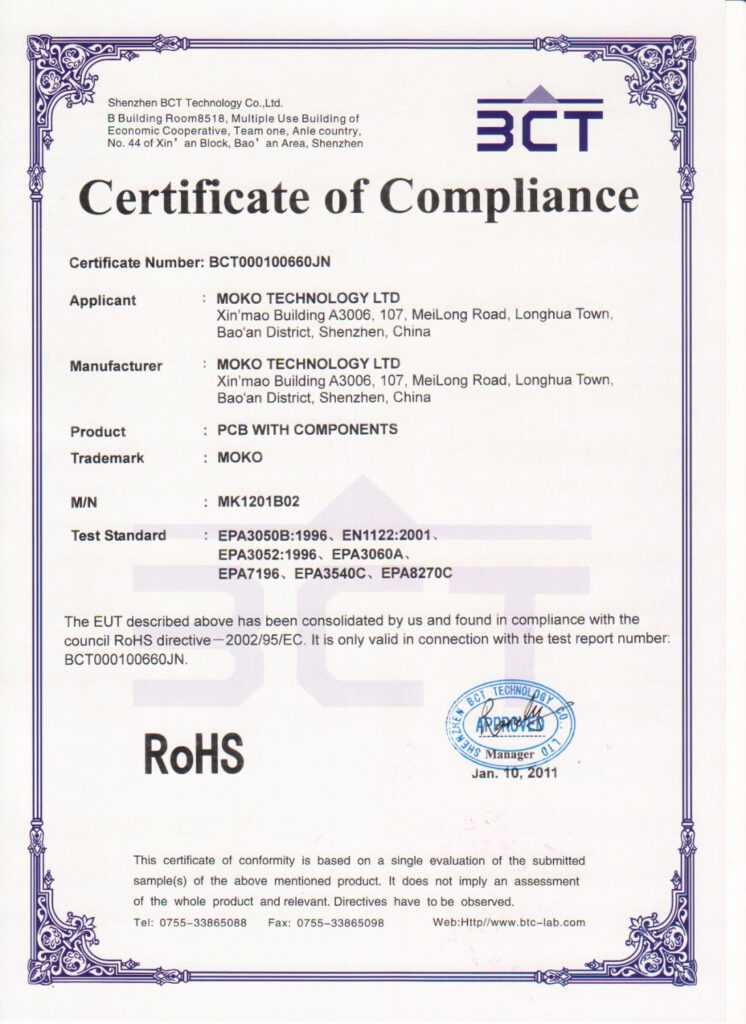
This document serves several crucial functions. First, it verifies the authenticity of the goods, confirming they are not counterfeit and originate from the claimed source. Second, it provides a clear record of the production details, which is often required for regulatory compliance and quality assurance. Third, it acts as a supporting document for customs clearance, helping officials verify the shipment's contents against the declared information.

It's important to distinguish a Certificate of Manufacture from other common trade documents. While a Certificate of Origin (CoO) specifies the country where the goods were produced to determine tariff rates, a CoM focuses on the specific manufacturer and the production event itself. Similarly, a Certificate of Conformity (CoC) or Certificate of Compliance certifies that a product meets certain technical standards or regulations, whereas a CoM's core function is to confirm the manufacturing entity and details.
Key Components of a Certificate Of Manufacture Template
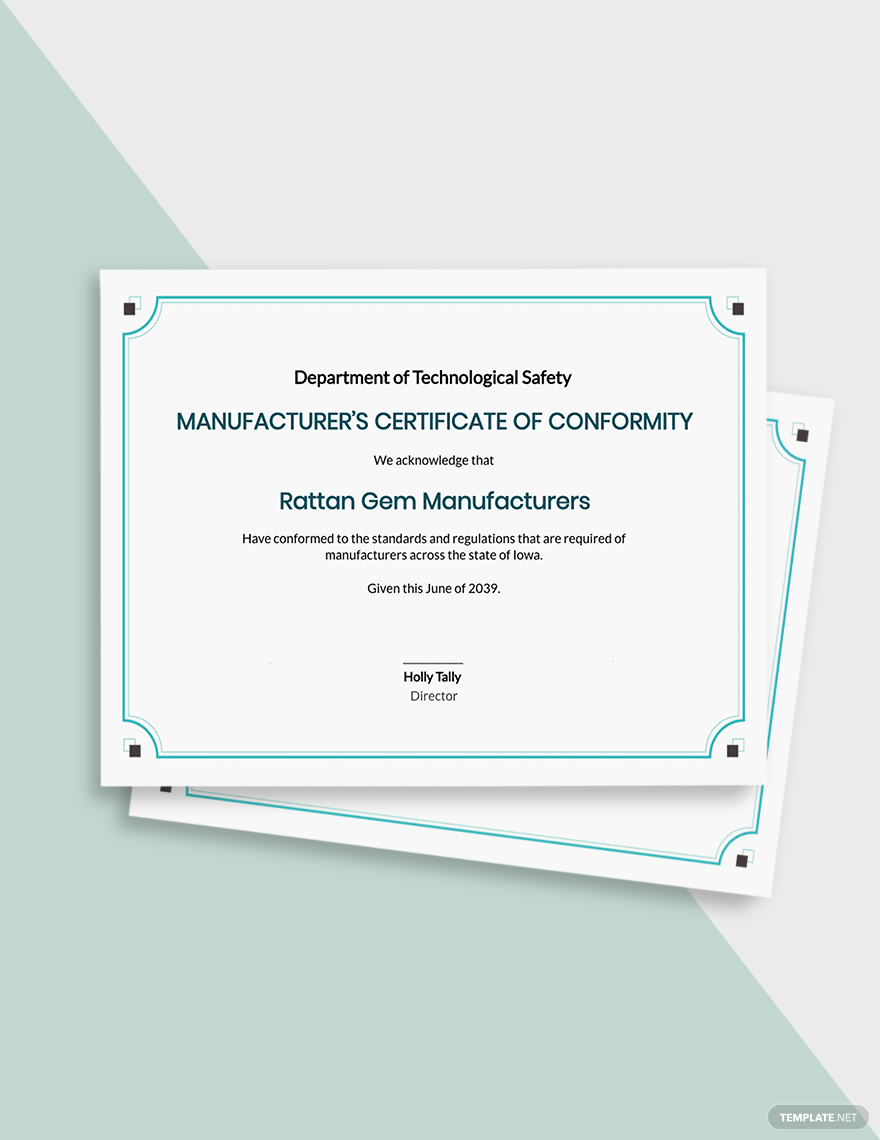
A well-structured template is the foundation for a valid and effective Certificate of Manufacture. While specific requirements can vary based on the importing country or the terms of a sales contract, a standard Certificate Of Manufacture Template will almost always include the following essential fields.
Manufacturer's Details
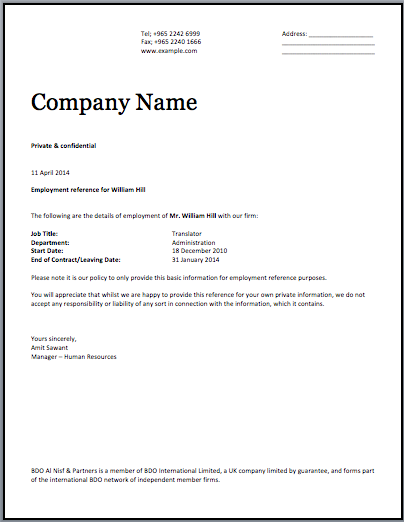
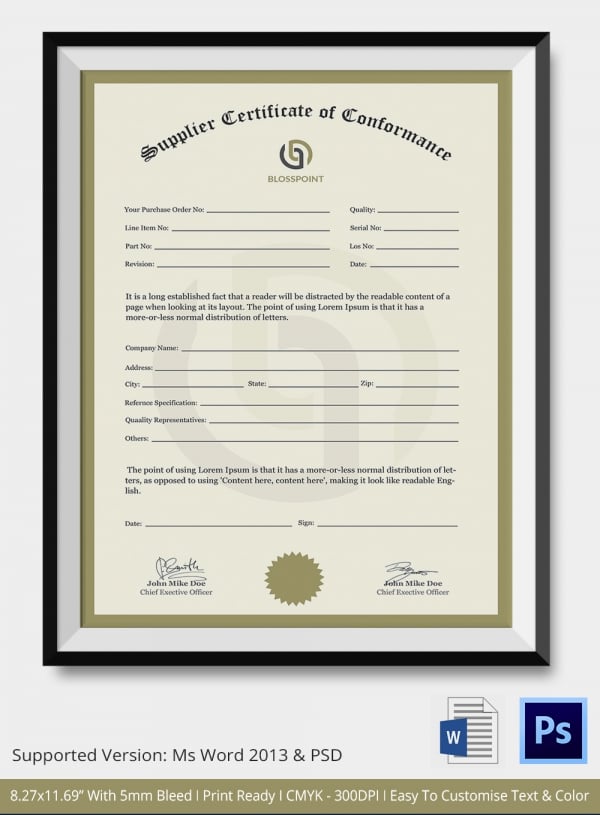
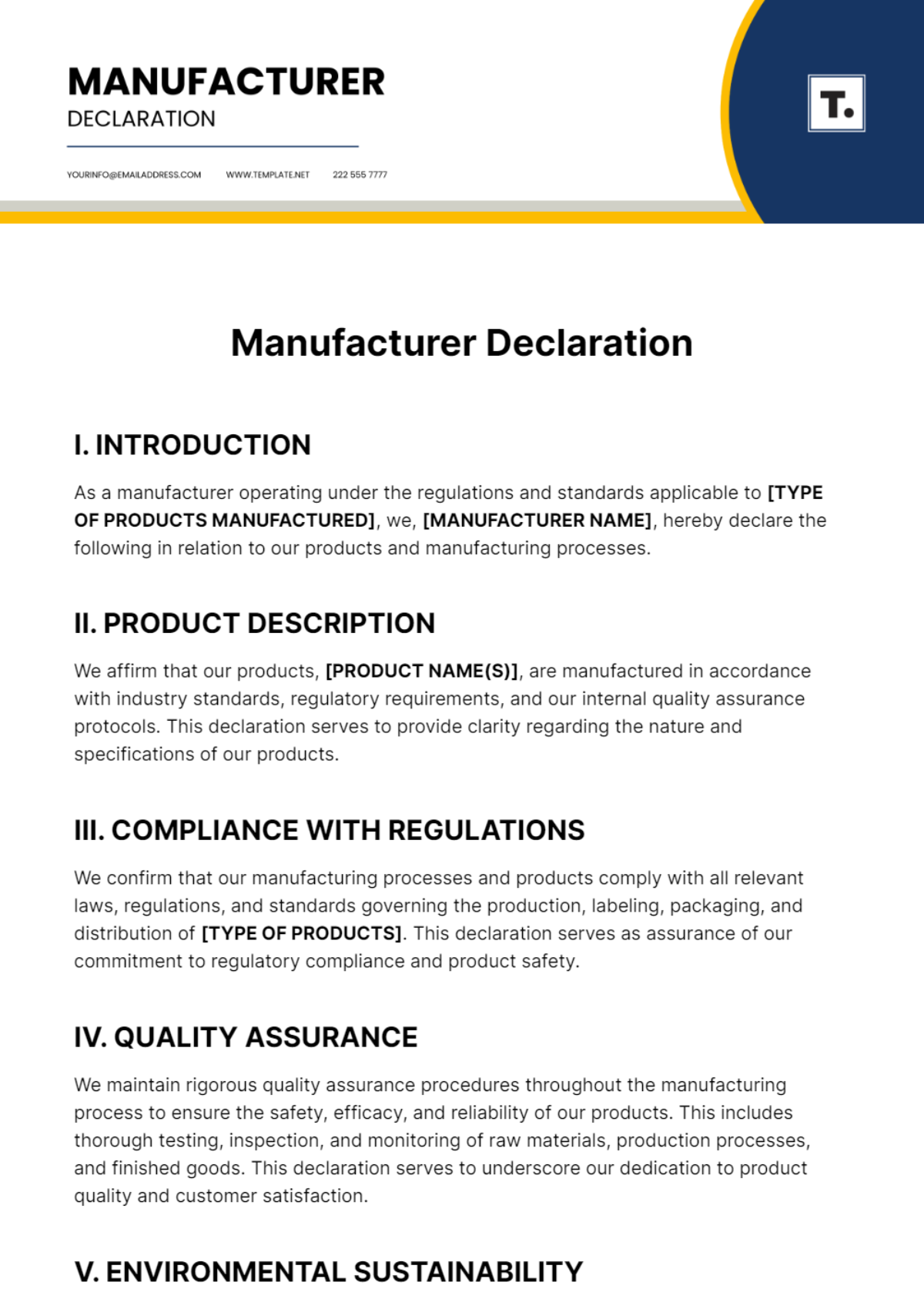
This is the most fundamental section. It must clearly state the full legal name of the manufacturing company, its registered physical address (not just a P.O. box), and contact information such as a phone number and email address. This information identifies the entity taking responsibility for the declaration.
Consignee and Buyer Information
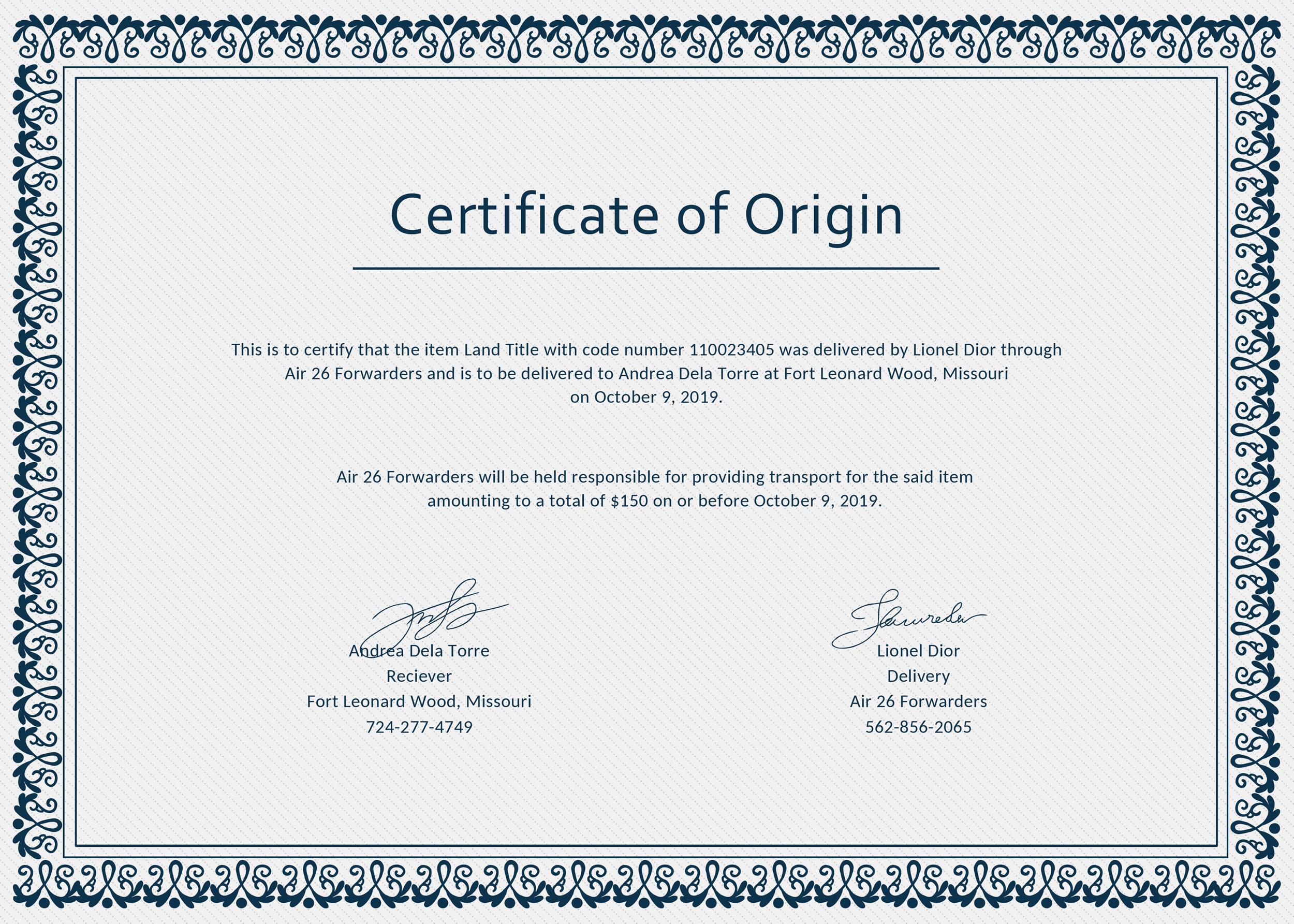
This section identifies the recipient of the goods. It should include the full name and address of the importer or consignee. In some cases, if the buyer is different from the consignee (the party physically receiving the goods), both may need to be listed. Ensuring this information matches the bill of lading and commercial invoice is critical.
Detailed Product Description
This is the core of the certificate. It requires a comprehensive description of the goods being certified. Essential details include:
* Product names and model numbers
* Unique identifiers like serial numbers or batch numbers
* Quantity of each item (e.g., units, kilograms, liters)
* The corresponding commercial invoice number and date
* Harmonized System (HS) codes for international tariff classification
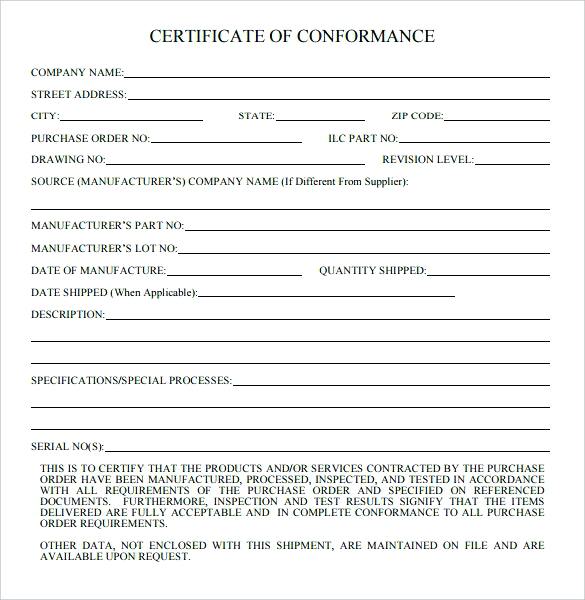
The description must be specific enough for a customs official to easily match the document to the physical goods in the shipment.
Declaration and Certification Statement
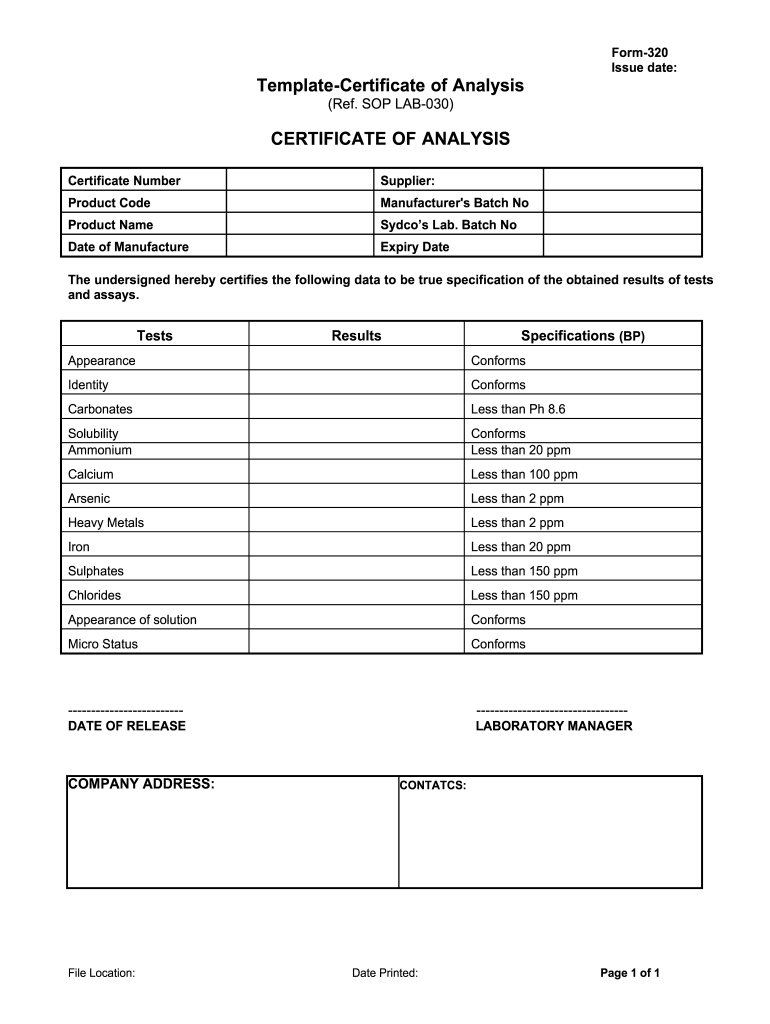
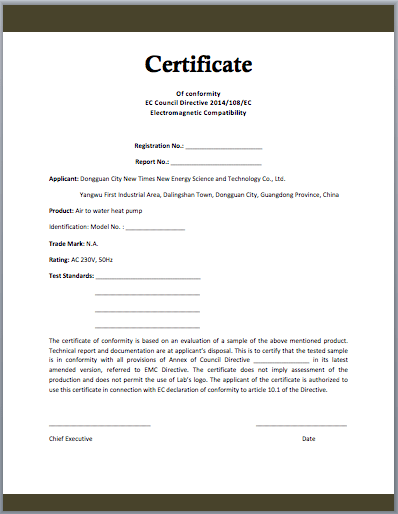
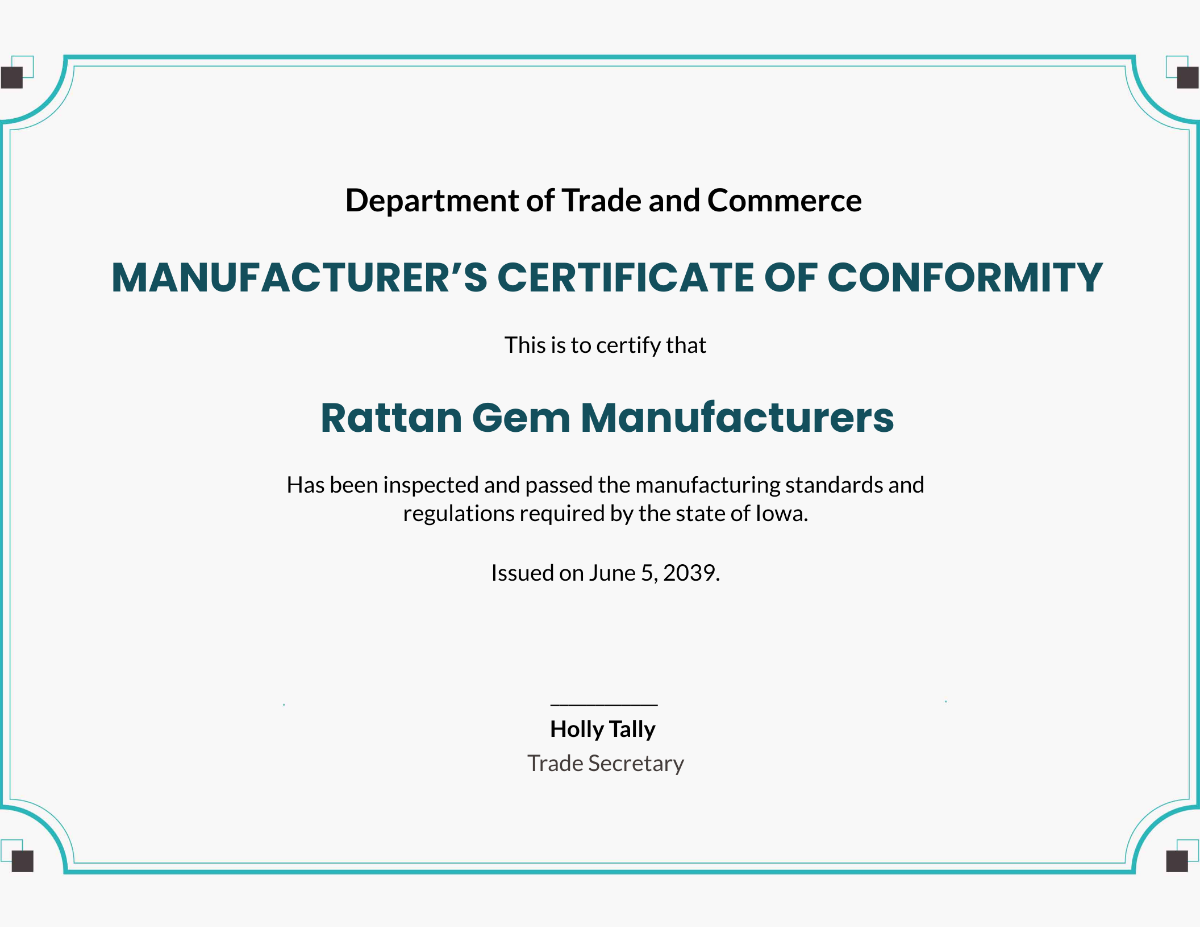
This is the legal heart of the document. It is a formal statement where the manufacturer explicitly declares that they produced the goods listed. A typical declaration might read: "We, [Manufacturer's Name], hereby certify that the goods described herein have been manufactured by us at our facility located at [Manufacturing Address] and are of our own production."
Date and Place of Manufacture
The template must include a field for the specific date or period of manufacture. This is crucial for products with shelf lives, warranty periods, or those subject to specific production-run regulations. The place of manufacture (city and country) must also be clearly stated.

Authorized Signature and Company Seal
To be considered valid, the Certificate of Manufacture must be signed by an authorized person within the manufacturing company, such as an export manager or a company director. Their name and title should be printed below the signature. The official company stamp or seal should also be affixed to the document to authenticate it.
Notarization or Chamber of Commerce Endorsement
For some countries or under certain Letter of Credit terms, the certificate may require an additional layer of validation. This can involve getting the document notarized by a public notary or endorsed by a local Chamber of Commerce. This third-party verification adds significant weight to the document's authenticity.
Why is a Certificate of Manufacture Important?
The Certificate of Manufacture is far more than an administrative formality; it is a cornerstone of trust and compliance in international trade. Its importance stems from its role in satisfying the requirements of various stakeholders in the supply chain.

Customs Clearance
Customs authorities in the importing country rely on a complete set of documentation to verify a shipment's legality, value, and origin. A CoM provides a clear, manufacturer-backed statement about the goods. When details on the CoM align perfectly with the commercial invoice, packing list, and bill of lading, it speeds up the clearance process. Any discrepancies can raise red flags, leading to inspections, delays, and potential fines.

Regulatory Compliance
Many industries are heavily regulated, and importing certain goods requires strict adherence to safety, health, and technical standards. For products like medical devices, pharmaceuticals, food items, and hazardous materials, a CoM is often a mandatory part of the compliance dossier. It helps authorities trace products back to their source, which is critical for recalls, quality control, and public safety.

Buyer Assurance and Quality Control
For the importer, the Certificate of Manufacture provides crucial assurance. It confirms that they are receiving genuine products directly from the specified manufacturer, mitigating the risk of counterfeit or "gray market" goods. This is especially important in high-value transactions or when establishing a new supplier relationship. The document serves as proof that the goods meet the expected quality standards associated with that manufacturer.
Letter of Credit Requirements
International trade transactions are often financed through a Letter of Credit (L/C), a payment mechanism where a bank guarantees payment to the exporter on behalf of the importer, provided that the terms and conditions of the L/C are met. The L/C will explicitly list all the documents the exporter must present to the bank to receive payment. A Certificate of Manufacture is frequently one of these required documents. An inaccurate or missing CoM can lead to the bank refusing payment, creating a significant financial risk for the exporter.
How to Create and Use a Certificate of Manufacture
Creating and using a Certificate of Manufacture is a straightforward process, especially when starting with a reliable template. Following a clear, step-by-step approach ensures accuracy and compliance.
Step 1: Obtain a Reliable Template
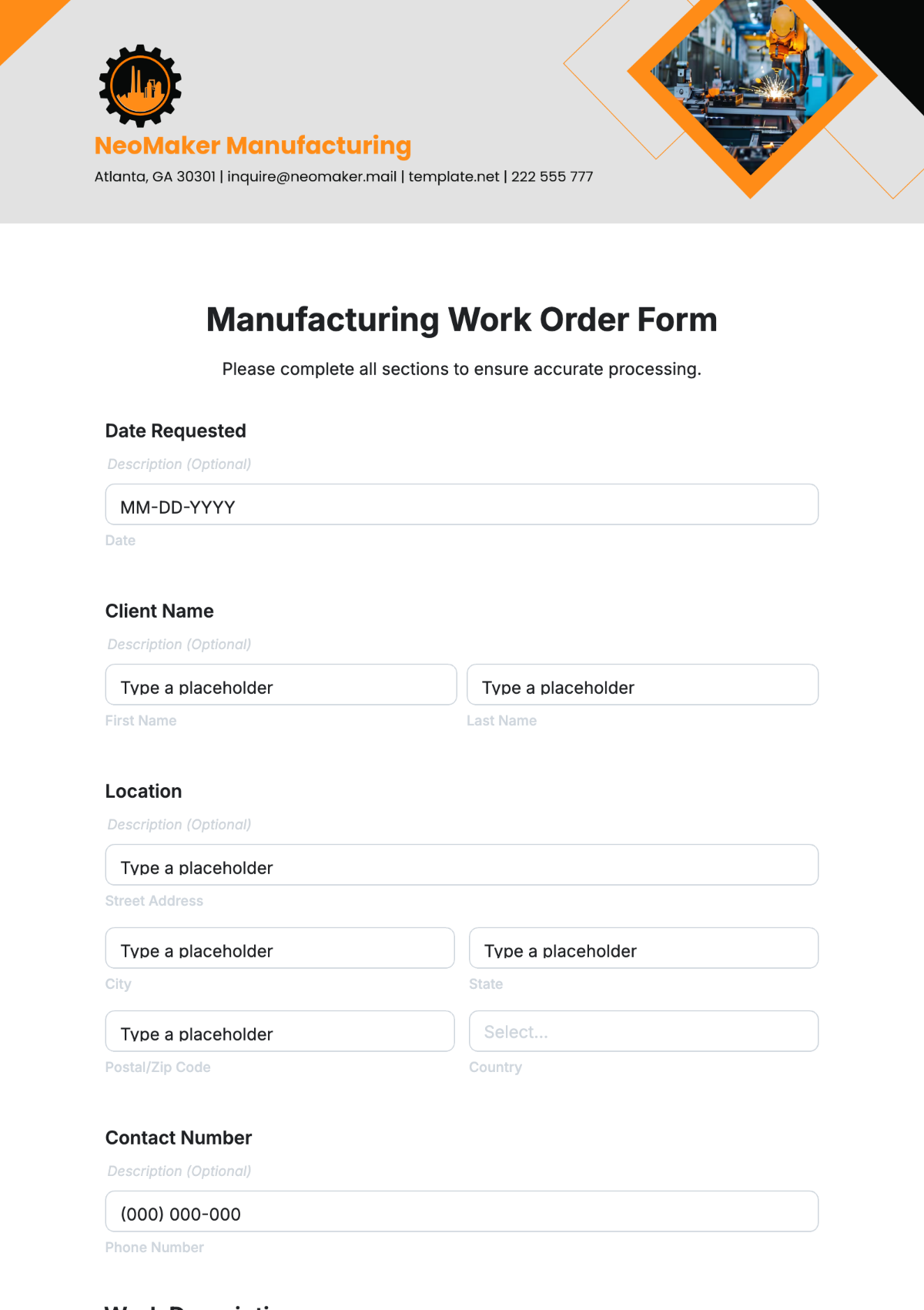
Start by sourcing a comprehensive template. Many freight forwarders, chambers of commerce, and business software providers offer downloadable templates. Alternatively, you can create one in a word processor or spreadsheet, ensuring it includes all the key components discussed earlier. The key is to have a standardized format you can use consistently.
Step 2: Fill in All Information Accurately
Meticulously populate all the fields in the template. Pay close attention to details like product descriptions, quantities, serial numbers, and invoice numbers. Cross-reference all information with your commercial invoice and packing list to ensure perfect alignment. A single typo can cause major issues down the line.
Step 3: State the Declaration Clearly
Ensure the declaration statement is unambiguous. It should clearly state that your company is the manufacturer of the specified goods. Use precise legal language but avoid overly complex jargon. The statement must be a firm, positive declaration of fact.
Step 4: Add an Authorized Signature and Company Seal
The document is not valid without proper authorization. Have a designated and authorized individual from your company sign and date the certificate. Print their full name and job title beneath the signature. Affix your official company seal or stamp next to the signature for added authenticity.
Step 5: Secure Endorsements if Required
Check the requirements of the destination country and the terms of your sales agreement or Letter of Credit. If notarization or a Chamber of Commerce stamp is needed, take the completed and signed certificate to the appropriate body for endorsement. Be sure to allow enough time for this step, as it can sometimes take a few days.
Step 6: Distribute with Shipping Documents
The final Certificate of Manufacture should be included with your full set of shipping documents. Provide copies to your freight forwarder, the importer, and any banks involved in the transaction. Retain a copy for your own records.
Common Mistakes to Avoid When Using a Certificate of Manufacture Template
Even with a template, errors can happen. Being aware of common mistakes can help you avoid costly delays and disputes.
Incomplete or Inaccurate Information
The most frequent error is leaving fields blank or entering incorrect data. Every detail, from the consignee's address to the product's batch number, must be precise and complete. An incomplete certificate will almost certainly be rejected by customs or banks.
Mismatched Details Across Documents
Consistency is paramount. The information on the Certificate of Manufacture must perfectly match the information on the commercial invoice, bill of lading, and packing list. Any discrepancy, no matter how small, can be interpreted as a red flag, leading to customs inspections and shipment holds.
Forgetting Signatures or Seals
An unsigned or unstamped document is just a piece of paper. The signature and company seal are what make the certificate an official, legally recognized declaration. Forgetting this simple step invalidates the entire document.
Using an Outdated or Incorrect Format
Import requirements change. A format that was acceptable for one country may not be for another. Always verify the specific documentary requirements of the destination country before preparing your shipment. Relying on an old, outdated template without checking current regulations is a recipe for problems.
Vague Product Descriptions
Using generic terms like "electronics" or "machine parts" is not sufficient. The product description needs to be detailed enough for an official to identify the exact items in the container. Always include model numbers, quantities, and other specific identifiers.
Conclusion
The Certificate of Manufacture is an indispensable document in the landscape of global trade. It serves as a manufacturer's sworn statement, providing critical assurance of a product's authenticity, origin, and production details. From facilitating smooth customs clearance and ensuring regulatory compliance to satisfying the stringent requirements of financial instruments like Letters of Credit, its role cannot be overstated.
For exporters, mastering the creation and use of this certificate is not just good practice—it's a competitive necessity. By leveraging a comprehensive Certificate Of Manufacture Template, businesses can standardize their documentation process, dramatically reducing the risk of errors and ensuring all necessary information is present and accurate. This commitment to meticulous documentation protects against costly delays, builds trust with international partners, and ultimately supports a more efficient and secure global supply chain. In a world where transparency and verification are key, a well-prepared Certificate of Manufacture is a clear testament to a company's professionalism and reliability.
0 Response to "Certificate Of Manufacture Template"
Posting Komentar